
A Lashd idea
A focused everyday lash collection
Start with a small assortment, compare samples carefully and make every product choice understandable.
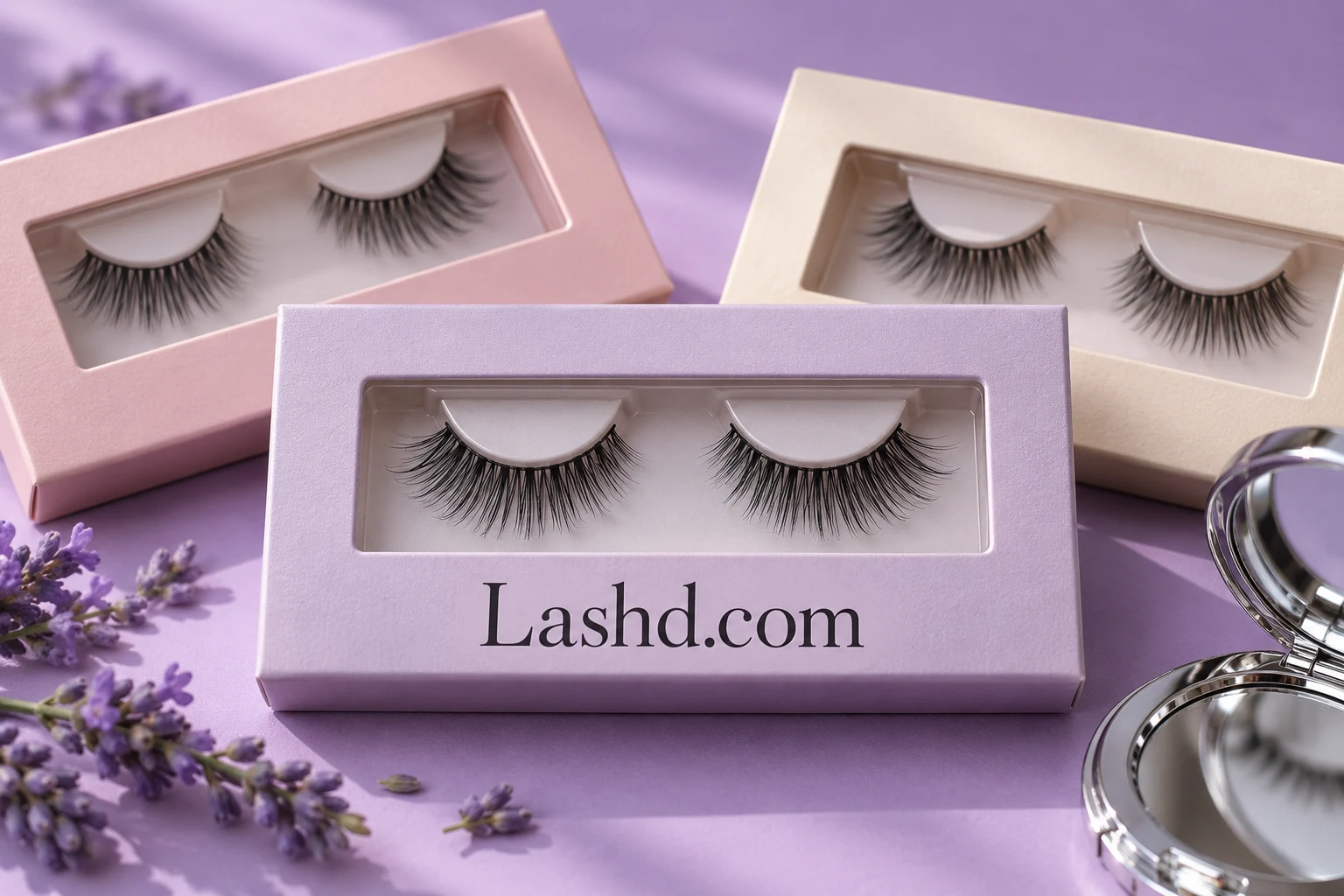
A small lash collection needs a reason for every item. Launching many similar options can make the first order harder for the customer and the first stock purchase harder for the founder. This illustrative Lashd concept begins with a tightly edited range and a written explanation of the job each product performs. The initial goal is a collection that can be photographed, described, stocked and supported with care.
Start with three distinct buying decisions
Imagine a prototype assortment with three styles, each chosen for a different visual preference. These are planning categories, not claims about what every customer needs. Write a short description of the look, the occasions a customer might have in mind and the differences visible in the product itself. If two descriptions sound interchangeable, the assortment may contain a duplicate. Remove or revise that item before requesting elaborate packaging concepts.
Use a simple comparison sheet. Give each proposed product a working name, a reference image, a target customer question and a reason it belongs in the launch. A column labeled “why this instead of the other two?” can be especially revealing. It forces a specific distinction. A useful answer might concern the visible style or format; an answer such as “another exciting choice” usually means the decision needs more thought.
Choose the buyer and the first sales channel
One possible customer is someone who already buys lashes online and wants a small set of visually distinct options for an ordinary week and occasional plans. Test that description through conversations before committing to stock. The offer could be three individually available styles, with a clearly priced collection for customers who want to compare them. A direct website would give each item space for consistent photography, verified product information and a simple explanation of how it differs from the others.
Introduce the collection through a few relevant creators whose audiences match that buyer. Agree on a specific demonstration brief: show the actual product, explain the visible distinctions and link to the matching product page. Any paid, gifted or affiliate arrangement should be clearly disclosed. Judge a partnership by the relevance of the audience and the usefulness of the demonstration, rather than follower count alone. Keep the initial commitment small enough to review the resulting questions and orders before expanding it.
Build interest with useful comparisons
Create sample content around the decisions the collection asks customers to make. A consistent three-way product comparison, a close view of each format and an explanation of what arrives in the package can become the first website and social content. Use the approved items and support every product statement. Invite interested visitors to a small launch list with clear permission to email them, an explanation of what messages to expect and a straightforward way to unsubscribe.
A small first launch gives the founder time to answer questions and check the ordering experience. Begin with the launch list and selected creator demonstrations, then review which pages attract questions and which distinctions remain unclear. Publish accurate stock and dispatch information. Keep a named route for support and record questions that need a better product-page answer. Repeat purchases should be considered through the customer's actual experience and voluntary feedback, not an assumed replenishment schedule or an automatic subscription introduced before demand is understood.
Build the product page before the box
Draft a product page using provisional information clearly marked for internal review. Include the product name, images, format, contents, verified specifications, price, delivery information and the approved instructions or notices supplied by the appropriate source. This exercise exposes gaps early. A beautifully printed box cannot solve a missing answer about what the customer receives or a product photograph that fails to show the relevant difference between two items.
Plan images as a set. One image can show the complete product and packaging, another can show the detail that distinguishes it, and a third can communicate scale where appropriate. Keep lighting and framing consistent enough for comparison. Avoid using decorative styling to hide the item the customer is trying to examine. A strong brand presentation should make the range easier to understand, especially on a small phone screen.
Put the stock decision on paper
For each item, record the minimum order, landed cost assumptions, packaging cost, expected storage needs and the time between ordering and receiving stock. Include a place for confirmed figures and a separate place for estimates. A low unit price may come with a larger minimum quantity or a longer commitment. The decision is about the entire order and the cash it uses, not only the number printed beside a single unit.
Consider how stock will be counted and how a discontinued or revised item will be handled. Assign clear internal identifiers before orders arrive. If the packaging changes, the team should know which version is being shipped and which photographs belong on the website. These details become harder to untangle once customer orders and supplier revisions are happening at the same time. A small range offers the chance to establish the habit while the work is still manageable.
Launch with a learning plan
Choose a few questions the first selling period should answer. Do visitors understand the differences? Which information do they ask for? Are there items that attract attention but rarely reach an order? Review these patterns alongside stock availability and the quality of the product pages. A slow item may have a presentation problem, a price problem or simply a weaker role in the range. The numbers alone will not explain which one.
Lashd.com could hold this focused collection under one short beauty identity. The proposed products remain illustrative; acquiring the domain does not include stock, supplier agreements or an operating store. Before committing to a launch, write the three-item offer, identify a small group of prospective buyers and brief one suitable creator on a useful comparison. Those steps connect the proposed collection to people who might choose it, while keeping early spending and fulfillment demands manageable.
Make Lashd.com your next address.
The domain name is available for acquisition.
Inquire about Lashd.com →