
A Lashd idea
A practice library for independent lash artists
Organize a resource around bounded lessons, qualified review and useful feedback.
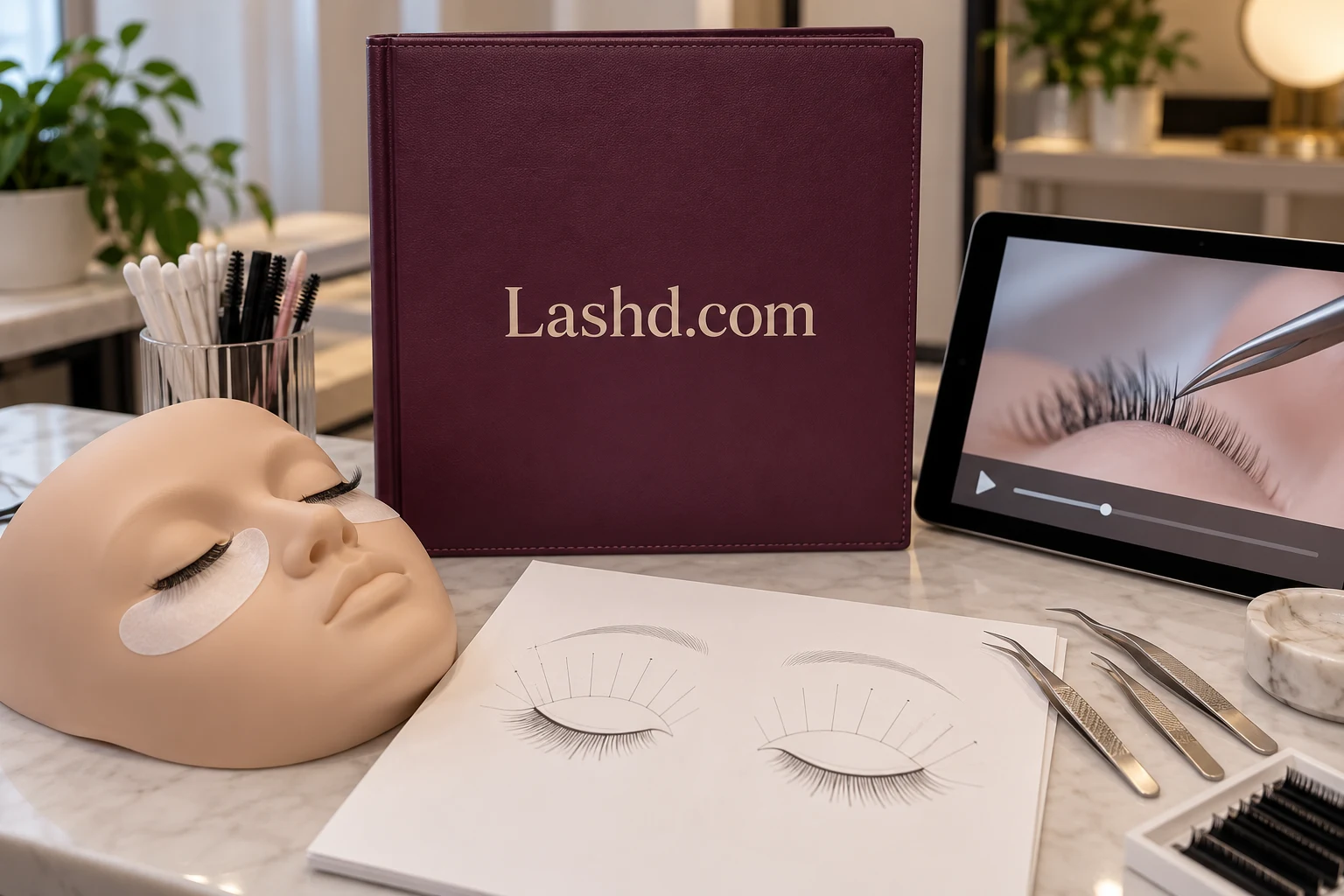
An education resource for lash artists can become difficult to navigate when every subject is presented as another long course. This illustrative Lashd concept takes a smaller approach: a library of clearly scoped lessons, each with a stated audience, prerequisite and useful output. The business opportunity is in organizing reliable learning and feedback. Technical instruction itself would need to be developed and reviewed by appropriately qualified educators.
Pick a narrow first audience
Begin by deciding who the first collection serves. A newly trained artist organizing business records has different needs from an experienced practitioner comparing ways to manage a growing appointment book. Mixing those audiences in one beginner label can leave both dissatisfied. Write a short audience statement that describes existing knowledge, working context and the task the learner wants to complete. Use that statement to decide which lessons belong in the initial library.
Interview potential learners about a recent task they found difficult. Ask what they tried, where they searched and what was missing from the material they found. A question about a real event usually produces more useful detail than asking which courses sound interesting. Keep the notes focused on the problem and the desired outcome. They should help define the resource, rather than becoming a collection of vague requests for more content.
Give every lesson a bounded promise
A lesson brief should state what someone will be able to produce or understand at the end. For a business lesson, that might be a draft appointment policy, an organized stock sheet or a first version of a customer information page. List the starting materials and the expected output. If the promise cannot fit in a plain sentence, the lesson may need to be divided into smaller pieces with clearer boundaries.
Set the prerequisites beside the promise. Learners should know whether a resource assumes prior professional training, access to a particular tool or experience in a certain business setting. Do not imply that viewing a lesson creates a qualification. Where technical practice is involved, qualified educators must establish appropriate scope and review requirements. The library's presentation should make those boundaries visible before someone pays or spends an evening working through the material.
Design one complete learning loop
Build one pilot lesson before planning a large catalog. An effective prototype can contain a short introduction, an example, a guided task and a way to compare the result with an agreed standard. Keep the format simple enough to revise. A worksheet and a carefully recorded explanation may reveal more about learner needs than a costly production package created before anyone has tested the sequence.
Decide how feedback will work. A self-check resource should provide enough explanation for someone to understand why an answer is appropriate. A reviewed submission needs a named reviewer, a clear scope and a realistic response process. Avoid suggesting personal feedback if the product only includes a general answer guide. The description, price and delivery process should all reflect the same service, so learners can choose with accurate expectations.
Source educators with a review brief
When approaching a potential contributor, share the audience statement and a sample lesson outline. Ask about relevant qualifications, teaching experience and the specific subject they can responsibly cover. Agree who checks technical accuracy, who edits the material and who owns future updates. A contributor's public following may help introduce the resource, but it does not replace the subject review the lesson requires.
Keep a record of versions and review dates. Assign one person to receive corrections and decide when a lesson should be updated or withdrawn. An education library is easier to trust when its maintainers can explain what is current and how errors are handled. Build that process into the first few lessons. Retrofitting it after dozens of contributors have used different formats is much more demanding.
Make the library easy to browse
Organize by the learner's task rather than by internal production categories. Useful filters might include business administration, client communication and stock organization, with further categories developed by qualified educators where appropriate. Each lesson card should show the intended audience, approximate commitment, format and output. A visitor should be able to judge relevance without opening every page or decoding a clever title.
Use consistent lesson pages. Place the outcome, prerequisites, contributor details and delivery format near the beginning. Follow with a sample or preview that demonstrates the teaching approach. Explain what is included, how access works and what support is available. The payment decision becomes clearer when the visitor can see the actual shape of the resource, rather than only a promotional description of how valuable learning can be.
Reach prospective paying learners
A qualified contributor can introduce the pilot to relevant members of their existing audience, with any commercial relationship made clear. Professional groups may offer another route when their organizers permit the invitation. Describe the exact learner task and invite a small matching group to try the lesson. After reviewing the pilot, present an honest paid offer with its price, prerequisites, access period and feedback arrangements. Keep free participation separate from purchase commitments, and use permission-based follow-up rather than adding group members to a mailing list.
Test willingness to use the resource
Invite a small pilot group that matches the intended audience. Observe where they pause, which instructions they reread and whether they complete the expected output. Ask what they would use next. Keep participation feedback separate from purchase intent; someone accepting a free invitation has not demonstrated willingness to pay. Any commercial plan should account for contributor fees, editing, platform costs and the continuing work of support and updates.
Lashd.com could give this library a compact identity connected to the lash field. The domain offering includes no courses, professional credentials or educator agreements. The first practical step is to outline one lesson with a concrete output and identify a qualified reviewer for its subject. A carefully tested lesson can then establish the format for a broader library, with expansion guided by actual learner questions rather than a long speculative content list.
Make Lashd.com your next address.
The domain name is available for acquisition.
Inquire about Lashd.com →