
A Lashd idea
A lash studio built around repeat appointments
A considered booking journey, a clear menu and a practical plan for return visits.
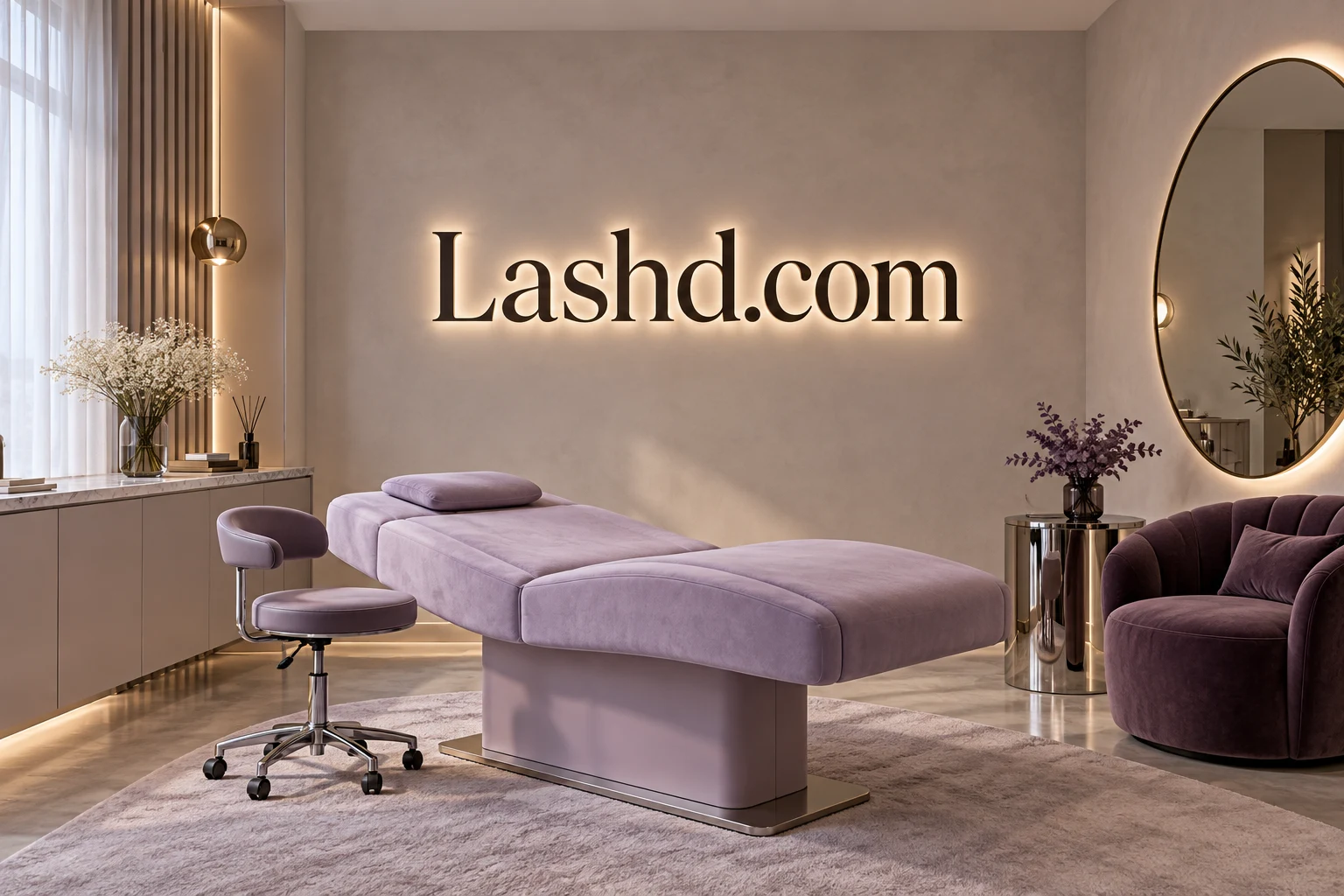
A local lash studio is an appointment business before it is a collection of beautiful photographs. The customer needs to choose a suitable booking, find the room, understand the commitment and know how to arrange another visit. This illustrative Lashd concept starts with those ordinary moments. A calm, consistent experience can give the brand something concrete to stand for, while a small initial menu keeps the operator's planning manageable.
Choose a customer and a catchment
Begin with one plausible customer group in one real area. A studio serving people who work nearby may need different appointment windows from a studio serving residents who travel by car. Write down how someone would reach the premises, how much travel time the visit asks of them and which days the owner can reliably staff. These details belong in the business model before a room is decorated or a booking system is purchased.
Talk with potential customers about their existing booking habits. Ask where they look, what information they struggle to find and what makes a first visit feel difficult to organize. Avoid asking only whether they like the concept. Someone may like a mood board and still be unable to attend during the proposed opening hours. Record the difference between a compliment and a practical commitment, then revise the schedule around what can actually be offered.
Give the menu a clear shape
A first menu should help a visitor make a decision. For each proposed appointment, collect its name, intended customer, scheduled length, price, booking conditions and any information that the qualified practitioner needs to provide. Have the practitioner review the wording. Marketing copy should not make promises about suitability or outcomes that the service cannot support. When a visitor needs individual guidance, the page should explain the appropriate way to ask before booking.
Keep internal scheduling labels separate from customer language. An operator may understand a shorthand code perfectly, while a new customer has never seen it. Test the menu by asking a few people to explain which option they would choose and why. Their hesitation may reveal a missing description, overlapping choices or an appointment that should be arranged through a conversation. Fix that information problem before adding more menu options.
Map one appointment from start to finish
Sketch the journey on a sheet of paper. Start with a search result or recommendation, then move through the homepage, service description, calendar, confirmation, arrival and return booking. At each step, write the question the customer is trying to answer. The calendar answers availability; a location page answers how to get there. A confirmation should bring the essential details together so the customer does not have to reconstruct the visit from several messages.
Give each step a named owner. The person who updates opening hours may be different from the person who responds to appointment questions. A change in the schedule should also trigger a check of the website, booking system and automated messages. This is a small operational habit, but it prevents a familiar problem: the customer receives two versions of the same information and has to contact the studio to find out which one is current.
Plan capacity before promotion
Build a sample week using the actual time each booking occupies, including the operator's required preparation and reset time. Add administration, breaks and the hours when the room is unavailable. The remaining calendar is the inventory the business can offer. A full-looking schedule that ignores these tasks may be impossible to run comfortably. Use the first version to examine workload, rather than treating every empty space as a slot that must be sold.
Next, create a simple weekly model with available appointments, expected bookings and operating costs. Use several scenarios instead of one confident forecast. A slower opening month should be visible in the plan, along with the cash required to cover it. Any numerical assumptions should be labeled as assumptions and replaced with actual results as the business develops. The purpose is to understand the consequences of a decision, not to make a spreadsheet look encouraging.
Make returning easy to understand
A return visit begins with clear information, not a complicated loyalty scheme. Decide how customers can view future availability, change a booking and reach the studio with a scheduling question. Ask qualified staff to determine any service-specific timing information. The website's job is to communicate the agreed process accurately. If reminders are used, let customers know what they will receive and make sure consent and preferences are handled appropriately.
Track a few questions during the first operating period: how many inquiries become bookings, where people abandon the booking flow and which questions arrive repeatedly. A repeated question is a useful content brief. If several visitors ask about parking, make the parking details easier to find. If they confuse two appointments, revisit the menu. These changes can be more useful than publishing another promotional photograph with the same caption.
Where Lashd could fit
Lashd.com could provide a concise address for this kind of focused studio identity. A buyer would still need to test the spelling aloud, check the name for their intended market and build the actual service operation. The domain offered here is the domain name only; this concept does not include premises, staff or customers. A sensible next step is to map one proposed appointment all the way from discovery to rebooking, then identify the three places where a new customer would need more information.
Make Lashd.com your next address.
The domain name is available for acquisition.
Inquire about Lashd.com →