
The Lashd Blog
Planning a small beauty product range before launch
Use an assortment worksheet, traceable samples and a clear sequence of decisions before investing in packaging.
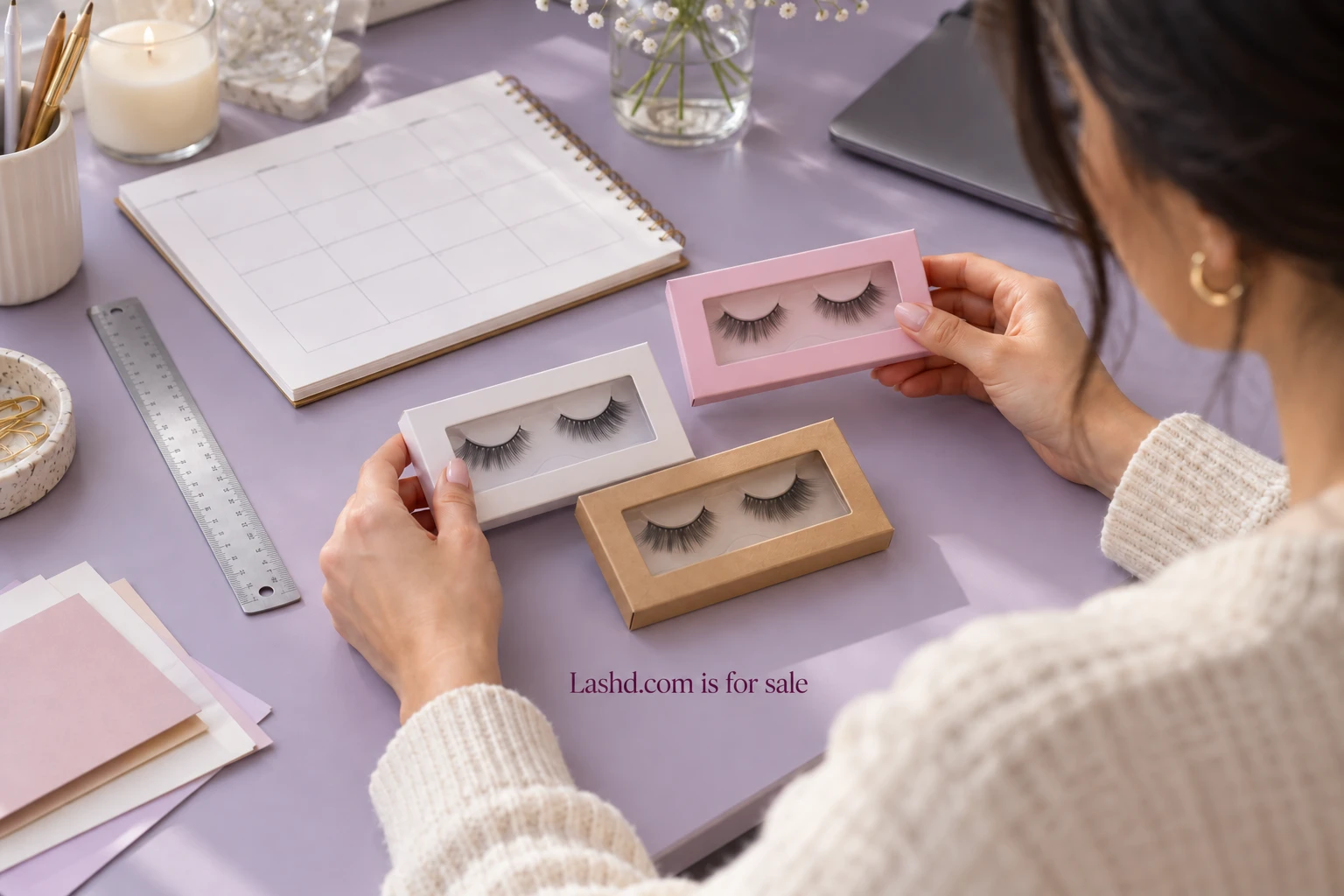
A beauty product launch can accumulate decisions faster than a founder can verify them. A supplier offers another variation, a packaging concept suggests a larger collection, and a photograph makes an unfinished sample feel ready for sale. A written assortment plan helps slow those decisions down enough to examine them. It gives the team a shared account of what is being launched, what remains uncertain and what must happen before the next commitment.
This planning approach is intended for a small proposed range. It covers organization, product information and launch dependencies, not product formulation or technical suitability. Those matters require the appropriate qualified review. The examples use a compact lash collection to make the worksheet concrete, but no products or supplier relationships are included in the Lashd.com domain offering.
Make one row for every proposed item
Start with a spreadsheet containing a working product name, internal identifier, intended customer, visible point of difference and proposed format. Add the supplier reference and current sample version. A product that has no clear distinction from its neighbors deserves another look. The sheet should make overlap visible before it becomes a purchase order. It is easier to remove a speculative row than to explain a warehouse shelf of nearly identical stock.
Keep the customer-facing name separate from the internal identifier. Names can change during brand development, while the identifier should keep orders, photographs and notes connected. Use a simple convention that the team can understand. Record variations explicitly rather than hiding them in comments. If the same item is planned in two formats, each version may have different packaging, images or inventory requirements that need their own attention.
Separate facts from estimates
Give uncertain information a status. For example, a supplier's preliminary lead time is an estimate until the actual order terms are confirmed. A packaging dimension from an early sample may change after a revision. Mark these fields visibly and include the date and source of the latest information. This prevents an early assumption from being copied into a final product page simply because it has been sitting in the spreadsheet for several weeks.
Use separate columns for quoted unit cost, packaging, transport and other expected costs relevant to the order. The precise categories depend on the business, so check the model with the appropriate adviser. The useful habit is to compare complete assumptions consistently. A lower quoted unit price does not automatically make one option less expensive overall. Minimum quantities and the cash tied up in an order can change the practical decision.
Write a sample request that can be compared
Prepare a short brief for suppliers with the proposed format, required information and questions that must be answered. Ask for sample references, available documentation, packaging options, minimum order quantities and the process for approving a final version. Keep the same core questions across suppliers. If one answer is missing, mark it as missing instead of filling the gap with a guess based on a different supplier's offer.
Keep communication attached to the relevant item. A useful filing system might have one folder per supplier and a dated record for each sample round. Save the reference photos and specification documents alongside the review notes. Anyone joining the project should be able to identify which sample is under consideration and which statements still need verification. That clarity becomes especially valuable when a founder is managing photography, packaging and ordering at the same time.
Review samples with a defined brief
Before opening the parcel, decide what the review needs to establish. Some observations concern presentation: visible consistency, packaging condition, labeling space and how clearly the product can be photographed. Other questions concern specifications, claims or suitability and require qualified review. Keep those categories distinct. A pleasing first impression is useful feedback, but it is not a substitute for the evidence needed to support public product information.
Photograph each sample with its reference number and record the version. If a supplier sends an improvement, retain the earlier notes so the change can be traced. Ask reviewers to describe what they observed rather than writing only “approved” or “looks good.” A specific note is easier to act on. It can also explain why a later version was accepted or why a promising item was removed from the initial assortment.
Draft the information customers will need
Create a product-page outline while the range is still provisional. Include the name, format, contents, verified specifications, images, price, delivery information and relevant approved instructions or notices. Mark incomplete sections for internal review. The gaps are useful: they show what must be obtained before launch. Do not fill them with generic claims that could apply to any beauty item. Customers need information about the actual product they would receive.
Write a short comparison between the proposed items. Ask someone unfamiliar with the project to explain the difference after reading it. If they cannot, revise the assortment or the information. A comparison chart can help when the differences are concrete, but a chart filled with subjective adjectives will not solve a weak distinction. Use clear photographs and consistent descriptions so customers can make their own judgment.
Order decisions by dependency
Some work can happen in parallel, while other work depends on a settled specification. A mood board can be explored early. Final packaging artwork may need confirmed dimensions, required wording and the exact product version. Product photography should use the approved item rather than an attractive sample that will not be sold. Write these dependencies down so the team knows which decisions are ready and which are waiting on another answer.
Build a simple launch sequence with named owners. A possible order is assortment draft, supplier questions, sample review, specification approval, packaging review, final photography, product-page completion and a controlled order test. The exact sequence will vary, but every stage should have a clear output. “Work on packaging” is difficult to assess; “confirm the dimensions and approved text for this version” gives the next person something concrete to use.
Plan the work after the first sale
A launch plan should include receiving stock, checking quantities, storing items, fulfilling orders and handling customer questions. Assign responsibility before orders arrive. Decide where the current product information lives and how a correction reaches every channel. If a specification changes, the website, support notes and printed material may all need attention. A shared record reduces the chance that each person keeps a slightly different version of the truth.
Prepare a few realistic order scenarios. What happens when one item is unavailable? How will a customer find delivery information? Who answers a question that requires supplier clarification? Test the store's actual behavior with controlled internal orders when the system is ready. Keep the results and fix the issues before inviting a larger audience. An attractive collection still depends on these ordinary operational details.
Choose what the first launch should teach
Set a small number of questions for the first review period. You might examine which product differences customers understand, which pages generate questions and where the ordering process causes hesitation. Look at qualitative feedback alongside sales and stock data. An item that sells slowly may need clearer presentation, or it may not belong in the range. Avoid deciding from a single number without checking the surrounding circumstances.
The most useful next step is modest: build the assortment worksheet before commissioning final packaging. Fill it with three plausible items, identify every estimate and list the evidence still needed. A focused identity such as Lashd.com could eventually bring the collection together, but the underlying range needs this practical foundation. Clear records make it easier to spend deliberately, explain the offer and improve it after launch.
Make Lashd.com your next address.
The domain name is available for acquisition.
Inquire about Lashd.com →